
The good thing about the healthy food trend is that more and more people are choosing to ditch ultra-processed food and opt for simpler, healthier options.
The problem is that with so many English names, new ingredients, and the amount of added sugar that can also be hidden under the slogan " healthy ," we can get confused.
This mini guide will help you understand what you're going to eat when your cool friend tells you that you're going for an Açaí Bowl, and how to say "No thanks" when someone offers you granola with 18% added sugar.
Buddha Bowl: A vegetarian one-pot meal served in a bowl. More than a recipe, a Buddha Bowl is a template you can use to create endless combinations with specific ingredients or whatever you have on hand. For example: brown rice (grain), sautéed spinach (vegetable), tofu sautéed with tamari (protein), avocado (healthy fats), and chopped cilantro and scallions (aromatic herbs).
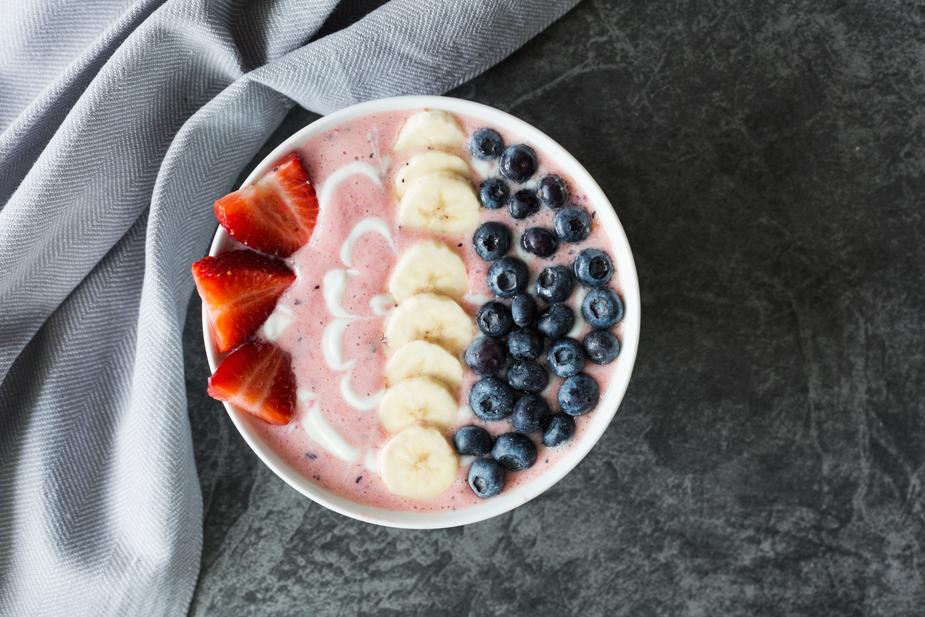
Açaí Bowl: A breakfast that looks like ice cream—but isn't. It's a fruit smoothie thick enough to eat comfortably with a spoon—this is achieved by making the smoothie without adding liquids, and then adding toppings like nuts, shredded coconut, and of course açaí, a berry of Brazilian origin with antioxidant properties.
Porridge: Classic oatmeal, you can prepare it with water, milk, or a combination of both. To start, you can try making it with 1 part liquid to 1/4 part oats and adjust to your liking. By the way, porridge is the British English name, but in the United States, it's called oatmeal .
 Smoothie: A fruit and vegetable blend to which you can add liquid in the form of milk or juice—usually orange or apple—and protein such as nut butter, collagen, etc. Like the Buddha Bowl or Açaí Bowl, it's not a recipe, but a template with which you can make many variations.
Smoothie Bowl: Just like the Açaí Bowl above, but without the açaí. I like to make it with frozen strawberries and ripe banana. I add some pecans and unsweetened shredded coconut.
Chia Pudding: A pudding for breakfast, a snack, or dessert, made by soaking chia seeds in milk (dairy or plant-based) or yogurt (dairy or plant-based) for about 8 hours (1 part seeds to 3 parts liquid, though you can adjust this to your liking). The seeds swell and soften until they reach a pudding-like consistency, which can be blended for a smooth texture or left whole. You can add cocoa, peanut butter, or fruit while they're soaking, or just before eating. I like to make it with plant-based milk and cocoa powder. In the morning, I add peanut butter and a little maple syrup.
Overnight Oats: Cold oatmeal prepared the night before eating. It's made with rolled oats—usually precooked, but you can use other types—soaked overnight in milk (dairy or plant-based) or yogurt (dairy or plant-based). The ratio is 1 part oats to 1 1/4 parts liquid, which you can adjust to your desired consistency. You can add chia seeds for a creamier texture, but you'll need to add more liquid. Like chia pudding, it's a great quick breakfast that you can take anywhere—I take it on trips where we have to get up early.
Granola: Typically made with rolled oats, nuts, and toasted seeds, often bound with honey or syrup, and flavored with raisins, shredded coconut, chocolate, or other ingredients. While the basic ingredients are healthy, the problem is that most granola contains a lot of syrup, honey, or sugar. If you make it at home and are careful with the sweetener, it can be a good option.
Matcha Latte: Powdered green tea prepared with hot milk (usually plant-based) like a latte, and spices such as cardamom and cinnamon. Honey is often added for sweetness. Green tea has antioxidant properties, and plant-based milk, depending on its origin, also has nutritional benefits, but it's important to check the ingredients, as many contain added sugar. Furthermore, honey, being a sugar, is best consumed only occasionally.
Turmeric Latte: Turmeric powder and hot milk (usually plant-based), with spices, typically ginger, and coconut oil. It's also known as Golden Milk, due to the golden color the turmeric imparts to the milk. Honey is often added for sweetness. Turmeric has anti-inflammatory properties, and as with Matcha Latte, the plant-based milk, depending on its origin, also has nutritional benefits, but be mindful of added sugar and honey. You can create your own blend with turmeric and ginger powder , or use Salud Viva's Golden Milk blend.
I'm a fan of these trends; I think they're generally a good way to add healthy ingredients (especially fruits and vegetables) and variety to our diet. Plus, you can create delicious smoothies and Buddha bowls with whatever you have in the fridge, so it's a great way to use up food and avoid waste. However, like everything else, this food is only healthy if the ingredients we use are healthy.
For example, if you make a Buddha bowl with ultra-processed ingredients, white rice, and no vegetables, it's not going to be any better than a regular meal. The same goes for smoothies; if you add spoonfuls of honey, yogurt with added sugar, etc., it might taste good, but it won't be healthy.
What's your favorite food trend? I'd love to see your creations, tag us on Instagram using #herbolariosaludmedierránea
*Photo by Brodie Vissers