
It seems that taking care of oneself and the environment is only for the rich, or at least the well-off. Most sustainable clothing brands are quite prohibitively expensive, organic food is pricey, and let's not even talk about many of the best natural cosmetics brands.
While acknowledging the cost of sustainability, today I'm here to tell you that there are ways to live healthier and more environmentally friendly without breaking the bank. Not only that, but it's possible to do so while spending even less than if we lived a conventional life.

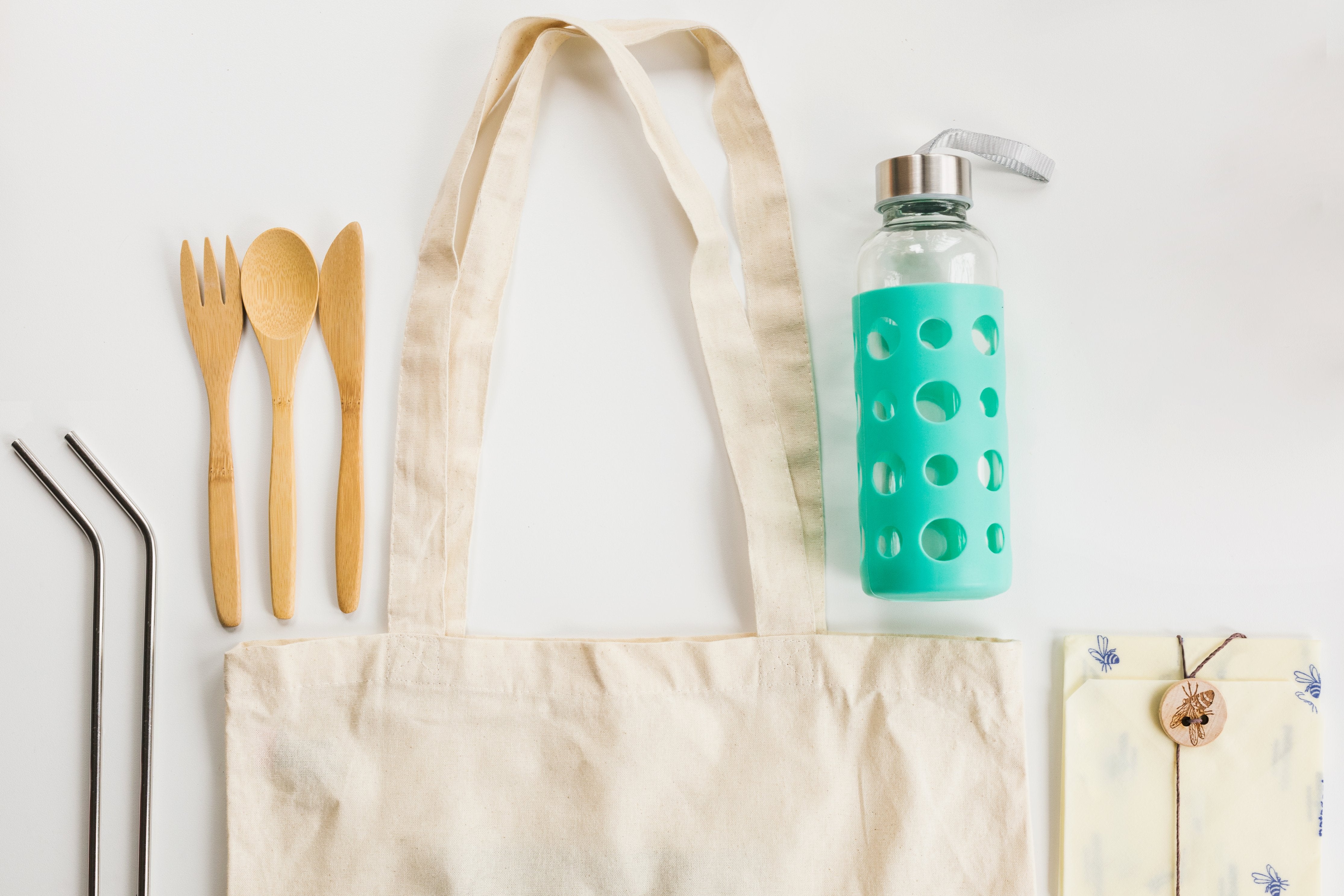
1- Get back into the habit of reusing: Not just for lunchboxes and water bottles, but also for napkins and dishcloths. At my house, I haven't bought paper napkins, kitchen roll, plastic bags, or plastic wrap for years, and nobody misses them. I have everyday napkins (because with kids, they get completely worn out) and I have napkins for guests or more special occasions. They all get washed together when I have enough to fill the washing machine. For washing, we use reusable dishcloths and sponges, and dishcloths that, in their previous lives, were cotton t-shirts. Instead of plastic bags, I use cloth bags that I've been reusing for years, and plastic wrap can be replaced with glass containers, waxed cloth, or simply by placing a flat plate over a bowl, as was done in the past.
2- Homemade snacks and desserts: Besides the fact that packaged snacks and desserts are usually ultra-processed, when you add it all up they're actually quite expensive, especially when we're talking about gluten-free products and—with all the packaging—the environmental impact. Keep a good cake recipe and a cookie recipe handy so you can use them whenever you need them. You can make a large batch and freeze them individually to take out one at a time.
3- Only buy what you need: I dare say that the vast majority of people have half-used bottles and jars of cosmetics that are or will soon be expired. Invest in quality products and brands, even if they are expensive, but only buy what you will use until the end. You will reduce your expenses, as well as the unnecessary use of packaging.
4- Good, tasty, and cheap foods: I love superfoods for special occasions, but they're super expensive and no better than good old-fashioned legumes. We've already told you to include them to add fiber to your diet, and now I'm telling you to do it to save money too, especially when you buy them in bulk and cook them at home. There are many ways to eat legumes, and it doesn't always have to be with a spoon; try making chickpea tacos or salads with white beans.
5- Prevention is better than treatment: From taking good care of your teeth (cleaning and check-up every 6 months), to drinking enough water, eating a balanced diet, and managing chronic illnesses. Preventing medical conditions and cosmetic problems is always better and cheaper than treating them. Add time to your schedule for exercise, appointments with your dentist and doctor, and remember that today is the best day to improve your health.
I'd like to know how you handle money, health, and the environment. Share your thoughts below so we can all learn a little more.