
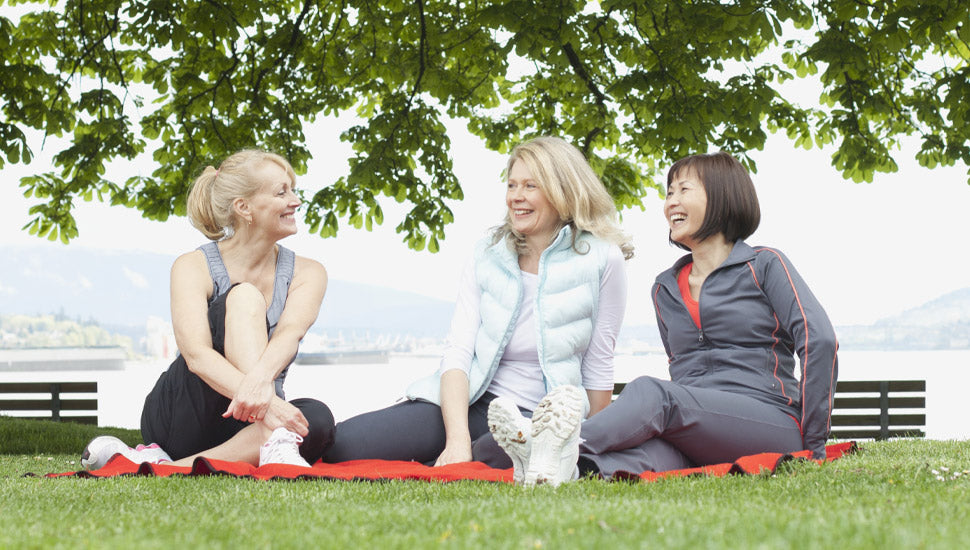
The changes women experience when they stop menstruating are often mocked in popular culture and on the street. But menopause can be experienced with energy and vitality, since the average age for Spanish women to reach menopause is 48.7 years, when a woman is still young.

We propose simple lifestyle changes and supplements to help you get through this natural period of change as best as possible.
Weight gain: To address the weight gain that often accompanies menopause, a balanced diet high in protein and healthy fats—such as nuts, legumes, and avocados—is recommended. In addition, regular exercise, ideally every day, should be continued or started if not already. Walking, yoga, cycling, and swimming are some low-impact exercises that are gentle on joints and can help women stay fit.
Dryness: Dry skin, hair, and vagina are symptoms of the overall dryness experienced by the body during this period of a woman's life. Consuming plenty of healthy fats—such as avocados, coconut oil, and olive oil—is essential. These fats are also necessary for cognitive function. We can also add an omega-7 supplement or sea buckthorn to our diet; the latter is specifically formulated for dry mucous membranes.
To treat dryness from the outside, we can add argan or rosehip oil to our beauty routine, using them at night after thoroughly cleansing our face. Hair will benefit from using coconut or avocado oil once a week, applying it well and leaving it on for 30 minutes—or overnight—as a mask. Both rosehip and almond oil can be used as vaginal lubricants.
Hot flashes and sweats: Sage and black cohosh are plants that help reduce the occurrence of hot flashes and sweats. There are natural products on the market with extracts of these plants that help us cope with these bothersome symptoms.
Osteoporosis: Calcium and vitamin D are essential for preventing osteoporosis. Foods like broccoli and spinach, as well as almonds and sesame seeds, are rich in calcium. Getting daily sunlight is the best way to naturally increase your vitamin D levels. Physical exercise—specifically weight-bearing exercise—is also very important for preventing bone loss.
Insomnia: Staying active and eating a balanced diet helps you sleep well, but hormonal changes during menopause can make falling asleep very difficult. Products containing lemon balm or sage can help relax the nerves and promote sleep. Melatonin and magnesium can also help combat insomnia.
Incontinence: Besides not being able to hold urine for hours—something very common in women—doing Kegel exercises every day is the best way to keep your muscles strong and prevent incontinence. Pumpkin seed oil helps prevent and improve incontinence by strengthening the bladder walls.
In addition to physical symptoms, menopause often brings with it depression, feelings of loss, and mood swings . Life changes—whether it's the first period, children's first day of school, or menopause—are always difficult. Being aware of this change and dedicating time to the things we enjoy most can help us cope.
In addition, staying active, eating a healthy diet, exercising, and consuming plant-based fats contribute to having fewer depressive feelings.
This information is for guidance only and in no case replaces consultation with your doctor.